Category: Blog

Latest blog posts from Bourne Digital – Bournemouth-based SEO, SEM, and digital marketing agency

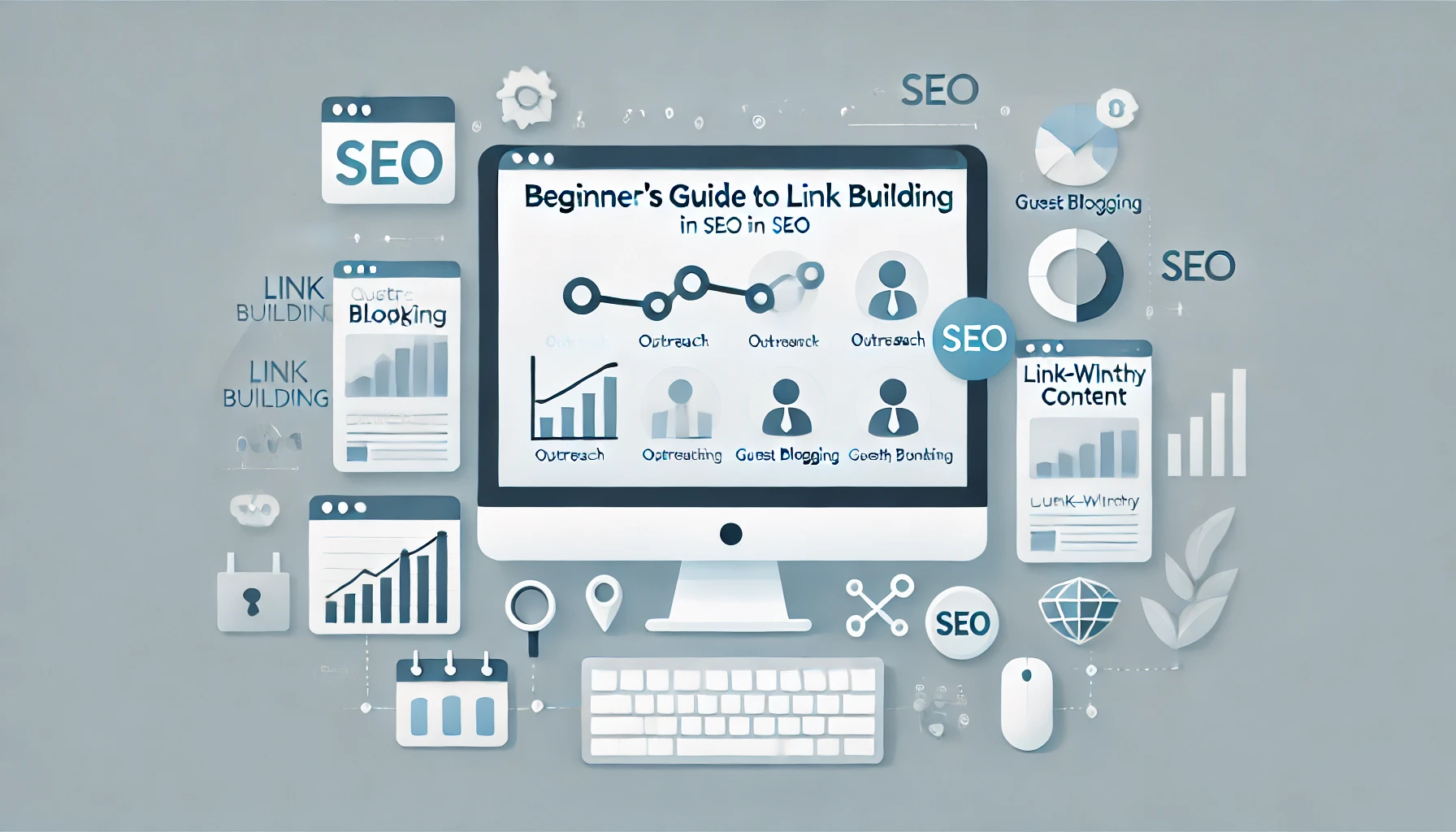
  • How to get started with link building: a beginner’s guide

    How to get started with link building: a beginner’s guide

    If you’ve read anything about SEO, you’ve likely encountered the importance of link building. However, the “how” behind link building can feel elusive.

    In simple terms, link building is about earning quality links from other websites to increase your site’s credibility and visibility on search engines. Quality matters here; you want relevant, authoritative sites linking to your content, as this signals to search engines that your site is a trusted source. Here’s how to approach link building step by step.

    The backbone of any effective link-building strategy is having content that others genuinely want to link to. Think of this as your “link-worthy” content, which should provide real value to readers and align with your industry. Here are a few content types that attract links:

    • Guides and tutorials: Detailed “how-to” content is perennially popular because it provides practical insights people can apply immediately.
    • Research and data-driven articles: Industry statistics, case studies, and research-backed insights tend to get cited often.
    • Evergreen content: Topics that stay relevant over time—such as definitions, foundational concepts, or processes—are great candidates for earning long-term links.

    Link building is strategic, and finding opportunities starts with knowing where to look:

    • Competitor analysis: A powerful way to identify potential links is to look at who’s linking to your competitors. Tools like Ahrefs, Moz, or SEMrush can help you examine competitors’ backlink profiles and spot sites that might be willing to link to similar content on your site.
    • Industry roundups: Many bloggers and publishers create “roundup” posts that curate helpful or recent content within an industry. If you’ve published a valuable article, you could reach out to those who publish regular roundups and suggest your content for inclusion.

    Reach out to relevant sites

    Once you’ve identified potential link opportunities, it’s time for outreach. This part can be intimidating at first, but keep it simple and genuine:

    • Find relevant sites: Look for websites in your industry or those with a similar audience. Focus on those that are likely to value your content—think niche blogs, news sites, forums, and even resource pages related to your topic.
    • Craft a personalised pitch: Write a short, polite email explaining why your content is valuable to their readers. For example, if you have a comprehensive guide on “drone battery maintenance,” reach out to drone-related websites, technology blogs, or aviation forums. Explain how linking to your content can benefit their audience.

    Try guest blogging

    Guest blogging involves writing content for another website in your industry, allowing you to reach a broader audience and earn backlinks in the process. It’s a win-win—website owners get fresh content, and you get exposure and an authoritative link back to your site.

    When guest blogging, make sure to:

    • Choose reputable sites in your niche with a good reputation.
    • Stick to writing high-quality, unique articles that provide real value to the host site’s audience.

    Broken link building is an often overlooked but effective technique. It involves finding broken links on relevant websites and suggesting your own content as a replacement. It’s particularly useful because you’re helping the site owner fix an issue while also gaining a link.

    To do this:

    • Look for websites with similar content topics to yours.
    • Identify broken links on these sites using tools like Check My Links (a Chrome extension) or Ahrefs.
    • Reach out to the website’s owner, informing them of the broken link and suggesting your content as a potential replacement.

    Engage with industry communities and directories

    Industry-specific communities, forums, and directories can be great sources of both visibility and links. Here’s where you can make connections, share content, and build a reputation in your field.

    • Directories: Many industries have reputable directories or aggregators, where you can add your website details and earn a link.
    • Forums and community platforms: Websites like LinkedIn, Reddit, and niche-specific forums allow you to link to your content in profiles or when relevant in discussions. Be respectful and avoid spammy behaviour—only share links that genuinely add to the conversation.

    Use HARO (Help a Reporter Out)

    If you’re looking for quality backlinks from authoritative websites, consider signing up for Help a Reporter Out (HARO). HARO connects journalists with expert sources, and it’s a valuable way to earn high-quality links. You’ll receive daily requests from journalists, and if you respond with expert insights, you might get featured in an article with a backlink to your website.

    Starting with these link-building strategies will set a solid foundation for improving your site’s authority and SEO. Remember, the key is to focus on building genuine relationships, creating valuable content, and sharing that content with the right people. With a little patience and persistence, you’ll begin to see your backlinks—and your search rankings—grow over time.

  • 9 on-page optimisation best practices for SEO Success

    9 on-page optimisation best practices for SEO Success

    How can on-page optimisation help you? You don’t need me to tell you how important it is to have an online presence. But did you know that simply having a website isn’t enough.

    If you want to attract organic traffic and turn visitors into customers, your website must be visible and attractive to prospects when they search the web. To achieve this, you need on-page optimisation, also known as on-page SEO.

    Importance of on-page optimisation

    On-page SEO refers to optimising elements of your website to improve its ranking in search results. It’s about making your website user-friendly and relevant to the search terms your target audience is using. By implementing effective on-page SEO strategies, you can:

    • Increase website traffic
    • Improve brand awareness
    • Generate leads and sales
    • Establish yourself as an authority in your industry

    Understanding SEO success

    Search engines like Google use complex algorithms to rank websites. While the exact formula is a closely guarded secret, certain factors contribute to SEO success. On-page optimisation plays a vital role in influencing these factors, which include:

    • Relevance: Does your website content address the search intent of users?
    • Quality: Is your content informative, engaging, and well-written?
    • User Experience: Is your website easy to navigate and use on all devices?
    • Technical SEO: Is your website structure optimised for search engines to crawl and index your content?

    On-page optimisation best practices

    Now, let’s delve into the best practices for on-page optimisation that you can implement to boost your SEO efforts.

    • Keyword research: Identify the keywords and phrases your target audience is searching for. Tools like Google Keyword Planner can help you with this process. See our guide to keyword research for more information.
    • Title tag and meta description: Craft compelling title tags and meta descriptions that accurately reflect your content and include relevant keywords.
    • Heading tags: Structure your content using H1, H2, and H3 tags to improve readability and incorporate your keywords naturally.
    • URL structure: Create clear and concise URLs that incorporate your target keyword. Sticking to lower-case letters, numbers, and hyphens only, is good practice.
    • Content creation: Develop high-quality, informative, and most importantly helpful content that provides value to your audience and is optimised with relevant keywords.
    • Image optimisation: Use descriptive file names and alt text for your images, and optimise their size to improve website loading speed.
    • Internal linking: Link to relevant pages within your website to improve user experience and distribute link equity.
    • User experience and mobile-friendliness: Ensure your website is easy to navigate, visually appealing, and functions seamlessly on all devices. Google makes a point of favouring mobile-friendly websites.
    • Page speed optimisation: Optimise your website for fast loading speed to enhance user experience and improve SEO ranking. Tools like Google PageSpeed Insights can help you identify areas for improvement.

    Conclusion

    By following these on-page optimisation best practices, you can significantly improve your website’s ranking in search results. Remember, SEO is an ongoing process, so stay updated with the latest trends and continue to refine your strategies for long-term success. By investing in effective on-page SEO, you’ll be well on your way to attracting more organic traffic, generating leads, and achieving your business goals.

  • Beginner’s guide to keyword research – 4 steps to success

    Beginner’s guide to keyword research – 4 steps to success

    Keyword research is a crucial step in any digital marketing strategy. It helps you understand what your audience is searching for and allows you to optimise your content to meet their needs. In this guide, we’ll walk you through the process of finding and using the right keywords, exploring both free and paid tools, and even leveraging AI tools like ChatGPT and Google Gemini.

    Step-by-step guide to keyword research

    Before we start… why?

    Keyword research is fundamental for several reasons, especially in SEO (Search Engine Optimisation). Here’s a breakdown of its importance:

    • Understanding your audience: Keyword research sheds light on what your target audience is looking for online. You can tailor your content and offerings to their needs and interests by identifying the terms they use in search queries. Imagine shouting in a crowded room – keyword research helps you know what questions people are asking so you can answer them directly.
    • Content creation: Keyword research guides your content strategy. By understanding relevant keywords, you can create content that resonates with your audience and is more likely to rank well in search results. This increases organic traffic to your website or platform.
    • Competition analysis: Keyword research helps you assess the competitive landscape. You can see which keywords your competitors are targeting and what content they’re creating. This allows you to develop a unique approach and identify opportunities to stand out.
    • Informs SEO strategy: Keyword research is the foundation of a strong SEO strategy. By incorporating relevant keywords throughout your website or content, you signal to search engines what your content is about and who it’s for. This improves your website’s search ranking and visibility.
    • Trend identification: Keyword research can reveal current marketing trends and consumer interests. You can leverage this knowledge to stay ahead of the curve and create content that aligns with what people are searching for right now.

    In short, keyword research bridges the gap between what you offer and what people are actively looking for online. It’s like having a roadmap to creating content that attracts your target audience and achieves your marketing goals. Now let’s get into it and do some research!

    Step 1: brainstorm seed keywords

    Start by brainstorming a list of seed keywords related to your niche. These are basic terms that describe your business, products, or services. For example, if you run a fitness blog, seed keywords could include “workout routines,” “healthy recipes,” and “weight loss tips”.

    Here are some examples of seed keywords for different niches:

    • Travel: “best places to visit in Europe”, “budget travel tips”, “solo female travel tips”
    • E-commerce: “running shoes for men”, “wireless headphones reviews”, “best laptops for students”
    • SaaS: “project management software”, “email marketing tools”, “free online courses”

    7 essential tips for seed keyword brainstorming

    Focus on your core offering:

    • Products/Services: Jot down the main products or services you offer. What are the key benefits they provide?
    • Target Audience: Who are you trying to reach? What problems do they face? What language do they use to describe their needs?

    Brainstorm variations and synonyms:

    • List synonyms for your main keywords.
    • Consider different phrasings and word combinations related to your topic.
    • Include industry jargon and slang terms your target audience might use.

    Think about user intent:

    • What are people searching for when they use these keywords? Are they looking for information, trying to buy something, or something else entirely?

    Utilise online tools:

    • Search Engine Results Pages (SERPs): Look at the “People Also Ask” section and “related searches” at the bottom of search results for additional ideas.
    • Keyword research tools: Many free and paid tools exist to help you generate keyword ideas. Explore options like Google Keyword Planner or AnswerThePublic.

    Analyse your competitors:

    • Use SEO tools like Ahrefs or SEMrush to see what keywords your competitors rank for.
    • Look at their website content and paid advertising campaigns to identify relevant terms.

    Consider the buying journey:

    • What are the different stages of your target audience’s buying journey? Brainstorm keywords relevant to each stage (e.g., “best [product type]” for research, “buy [product]” for purchase).

    Don’t forget long-tail keywords:

    • While seed keywords are broad, long-tail keywords are more specific phrases with lower search volume but higher conversion rates.
    • Use seed keywords as a starting point and add modifiers to create long-tail variations.

    Bonus Tip: Keep a running list of keyword ideas as you come across them throughout the day. Inspiration can strike anywhere.

    Step 2: use keyword research tools

    Utilise keyword research tools to expand your list of keywords and gather data on their search volume, competition, and relevance. Here are some popular tools you can use:

    Free tools

    Google Keyword Planner: a reliable tool that provides data on search volumes and competition. It’s best used with a Google Ads account.

    • Benefits: free, reliable data directly from Google.
    • Drawbacks: requires a Google Ads account, limited in-depth analysis.

    Check out Google Keyword Planner

    Ubersuggest: offers keyword suggestions, search volume data, and competition analysis.

    • Benefits: user-friendly, provides additional insights like content ideas.
    • Drawbacks: limited daily searches for free users.

    Check out Ubersuggest

    AnswerThePublic: visualises search queries and questions people are asking around your keywords.

    • Benefits: great for content ideas, free version available.
    • Drawbacks: limited daily searches, data can be broad.

    Check out AnswerThePublic

    SEMrush: a comprehensive tool for keyword research, SEO audits, and competitive analysis.

    • Benefits: extensive data, competitive analysis, useful for advanced SEO.
    • Drawbacks: expensive for beginners.

    Check out SEMrush

    Ahrefs: known for its robust backlink analysis and keyword research capabilities. Also my current ride-or-die!

    • Benefits: accurate data, excellent for competitive analysis and link building.
    • Drawbacks: costly, steep learning curve.

    Check out Ahrefs

    Moz Keyword Explorer: provides keyword suggestions, search volume, and difficulty scores.

    • Benefits: easy to use, reliable metrics.
    • Drawbacks: limited data compared to SEMrush and Ahrefs, subscription required.

    Check out Moz Keyword Explorer

    Step 3: analyse and select keywords

    After gathering a list of potential keywords, analyse them based on the following criteria:

    • Search volume: how often the keyword is searched for.
    • Competition: how difficult it is to rank for the keyword.
    • Relevance: how relevant the keyword is to your content or business.

    When selecting keywords, align your choices with your specific goals. Here are different strategies to consider:

    • High search volume and low to medium competition: ideal for driving traffic. These keywords can bring a significant number of visitors to your site. However, they are often broader terms and might not convert as well as more specific keywords.
    • Long-tail keywords: these are longer and more specific phrases, such as “best workout routines for beginners at home”. While they tend to have lower search volumes, they often come with less competition and higher relevance. This makes them particularly valuable for attracting targeted traffic that is more likely to convert.
    • Lower-volume, higher-relevance keywords: These keywords might not bring a massive amount of traffic, but they can be highly effective for conversion. For example, a keyword like “buy organic vegan protein powder in Bournemouth” is highly specific, localised (see our article on local SEO), and indicates strong purchasing intent.

    Step 4: incorporate keywords into your content

    Once you’ve chosen your target keywords, it’s time to weave them into your content in a natural and reader-friendly way. Here are some key placements to consider:

    • Titles and headings:
      • Primary keyword: Include your primary keyword or a close variation in your title tag (the headline users see in search results) and your main H1 heading (the main heading on your page). This signals to search engines and readers the central theme of your content.
      • Secondary keywords: Distribute relevant secondary keywords throughout your H2, H3, and subheadings. This improves readability, breaks up content, and helps search engines understand the structure and hierarchy of your information.
    • Body text:
      • Natural integration: Aim to integrate your keywords organically throughout your writing. Focus on creating valuable and informative content, not just stuffing keywords in unnaturally.
      • Keyword density: There’s no magic keyword density percentage. Strive for a balance where your keywords appear enough to be relevant but not so frequently that it disrupts the flow and readability.
      • Semantic keywords: Use synonyms and related terms throughout your content. This shows search engines you’ve comprehensively covered a topic and helps with ranking for broader search queries.
    • Meta descriptions and tags:
      • Meta descriptions: Craft compelling meta descriptions (the snippets displayed under your title tag in search results) that include your target keyword and entice users to click.
      • Alt text: Optimize image alt text with relevant keywords describing the image content. This improves accessibility for visually impaired users and search engine image ranking.
      • URLs: While not as crucial as the above, consider incorporating your target keyword into your URLs when possible. It can improve readability and offer a small SEO benefit.

    Pro tip: When integrating keywords, think about user intent. What information are users seeking when they search for these keywords? Tailor your content to answer their questions and provide value.

    Using AI tools like ChatGPT and Google Gemini for keyword research

    ChatGPT

    ChatGPT can assist in brainstorming keyword ideas and generating content around specific keywords. Here’s how to use it:

    • Brainstorming: ask ChatGPT to suggest keywords related to your topic.
    • Content creation: request content drafts that incorporate your chosen keywords.

    Benefits: quick brainstorming, helps with content creation.
    Drawbacks: not a dedicated keyword research tool, lacks search volume and competition data.

    Check out ChatGPT

    Google Gemini

    Google Gemini can provide advanced insights and trends related to keyword searches. Here’s how to use it:

    • Keyword trends: analyse trending keywords and search queries.
    • Audience insights: understand audience behaviour and preferences.

    Benefits: Advanced insights, and integration with other Google tools.
    Drawbacks: May require technical expertise, still developing in functionality.

    Check out Google Gemini

    Conclusion

    Keyword research is essential for optimising your digital content and improving your search engine rankings. By following this step-by-step guide and utilising free and paid tools, you can identify the right keywords for your niche. Additionally, leveraging AI tools like ChatGPT and Google Gemini can provide further insights and streamline your keyword research process. Happy researching!

  • The importance of mobile-friendly websites for SEO

    The importance of mobile-friendly websites for SEO

    More than ever, users rely on mobile devices for most online tasks. For this reason, having a mobile-friendly website has become crucial for businesses aiming to improve their online presence. As mobile internet usage surpasses desktop, search engines like Google increasingly prioritise mobile optimisation. Staying updated with the latest trends and requirements for mobile optimisation is essential for maintaining and improving search rankings. In this post, we will explore the importance of mobile-friendly websites for SEO, focusing on mobile-first indexing, responsive web design, mobile website bounce rate, and user experience (UX) on mobile.

    Understanding mobile-first indexing

    Google’s mobile-first indexing signifies a pivotal shift in how websites are ranked. Traditionally, the desktop version of a site was indexed first. However, with the surge in mobile usage, Google now predominantly uses the mobile version of the content for indexing and ranking. This change means that if your website isn’t optimised for mobile, your search engine rankings could suffer significantly. To check if your site is mobile-first indexed, you can use Google Search Console.

    Key takeaways:

    • Ensure your website content is fully accessible on mobile devices.
    • Mobile-first indexing impacts your SEO directly; a non-mobile-friendly site may struggle to rank well.
    • Regularly check Google Search Console for mobile usability issues.

    The role of responsive web design

    Responsive web design is critical in making your website mobile-friendly. It ensures that your site adapts seamlessly to various screen sizes and resolutions, providing an optimal viewing experience across devices. Google recommends responsive design because it uses the same URL and core HTML code for all devices. This simplifies things for search engines like Google. They only need to crawl and index one version of the page, making it easier to understand the content and its relevance for search queries.

    Responsive design ensures your website adapts to different screen sizes, automatically providing a mobile-friendly experience. This is crucial in today’s mobile-first indexing world, where Google prioritises mobile versions of websites for ranking.

    With responsive design, you have a single source of truth for your content. This avoids duplicate content issues that can arise with separate mobile and desktop websites, which can negatively impact SEO.

    Overall, responsive design makes your website SEO-friendly by streamlining the crawling and indexing process for search engines while providing a seamless user experience across all devices.

    Using CSS frameworks like Bootstrap can significantly simplify implementing responsive design.

    Key takeaways:

    • Responsive web design enhances user experience by providing a consistent and intuitive interface.
    • It simplifies SEO efforts, as you only need to manage one version of your site.
    • A responsive design can reduce bounce rates and increase the time users spend on your site.

    The benefits of responsive web design go beyond SEO

    While responsive web design shines in the SEO realm, its advantages extend far beyond search engine rankings. Here’s how a responsive design translates into a significantly improved user experience:

    • Faster loading times: Responsive websites are designed to adapt to the device’s capabilities. This means images and content are optimised for mobile screens, leading to faster loading times. Impatient mobile users appreciate a speedy experience, and Google prioritises sites that load quickly.
    • Consistent brand experience: Responsive design ensures your brand identity remains consistent across all devices. Whether someone views your site on a desktop, tablet, or smartphone, they encounter the same branding elements, colours, and overall layout. This consistency fosters trust and recognition, regardless of the device used.
    • Effortless navigation on mobile screens: Imagine trying to navigate a website crammed with tiny text and buttons on your phone. Responsive design eliminates this frustration. It optimises menus, buttons, and content for touchscreens, making navigation intuitive and effortless for mobile users. This not only improves user satisfaction but also encourages deeper engagement with your site.

    By prioritising a responsive design, you’re not just catering to search engine algorithms, you’re creating a user-friendly experience that keeps visitors engaged and coming back for more.

    Reducing mobile website bounce rate

    Bounce rate refers to the percentage of visitors who leave your site after viewing only one page. A high bounce rate on mobile can be detrimental to your SEO because it signals to search engines that your site may not be providing a satisfactory user experience. Mobile optimisation plays a crucial role in keeping visitors engaged.

    It’s worth noting that while bounce rate traditionally measures user engagement, focusing solely on it can miss the bigger picture. In today’s world, GA4’s engaged sessions metric provides a more nuanced view. Mobile optimisation becomes even more critical in this context. By ensuring a user-friendly mobile experience, you can encourage longer sessions with deeper content interaction, leading to more engaged sessions. This positive user engagement can indirectly signal a valuable experience to search engines, potentially influencing SEO performance.

    Key takeaways:

    • Ensure fast loading times; slow sites lead to higher bounce rates. Implementing image compression, using a content delivery network (CDN), and optimising your code can help improve site speed.
    • Use clear and concise content with easy navigation to retain mobile users.
    • Regularly test your site on various mobile devices to identify and fix issues.
    • Eliminate intrusive interstitials and pop-ups that can frustrate mobile users.
    • Use the GA4 engaged sessions metric to enrich bounce rate data.

    Optimising content for mobile users: keeping them engaged

    Considering how crucial it is to reduce mobile bounce rates, what keeps visitors engaged on your mobile site? Here’s where content optimisation comes into play:

    • Scannable content reigns supreme: Mobile users are often short on time and patience. Dense paragraphs brimming with jargon are a recipe for high bounce rates. Focus on creating scannable content that’s easy to digest on a smaller screen. Utilise short paragraphs, clear headings, and bullet points to break up the text and guide the reader’s eye.
    • Prioritise readability: Font size and type play a significant role in mobile readability. Choose a font that’s large enough to read comfortably without zooming in. Sans-serif fonts (like the one you’re reading now) are generally considered easier to read on digital devices.
    • Optimise images for speed: Images are powerful tools for engagement, but large, unoptimised images can significantly slow down your mobile site’s loading time. Resize images to fit the mobile layout and use appropriate file formats like JPEG or WebP to ensure faster loading without compromising quality.

    By taking these content optimisation steps, you’ll create a mobile-friendly experience that keeps visitors engaged and returning for more. Remember, mobile users are looking for quick, easy-to-digest information. Cater to their needs with clear, concise content that loads quickly, and you’ll see a significant improvement in user engagement and reduced bounce rates.

    Enhancing user experience (UX) on mobile

    User experience on mobile is a major factor in both SEO and customer satisfaction. A positive UX can lead to longer site visits, higher engagement, and improved conversion rates. Google considers UX elements, such as mobile usability and page speed, as ranking factors.

    Key takeaways:

    • Prioritise mobile-first design principles to meet user expectations.
    • Optimise touch elements like buttons and links to be easily clickable on smaller screens. Ensure that navigation is intuitive and finger-friendly.
    • Use high-quality images and videos that load quickly without compromising on aesthetics.
    • Implement feedback mechanisms, such as touch animations, to enhance the interactive experience.

    Impact on search rankings

    Mobile optimisation directly impacts search rankings. Google’s algorithms favour websites that provide a seamless mobile experience, considering factors like mobile usability, page speed, and content accessibility. A mobile-friendly site not only enhances your SEO but also ensures that you reach a broader audience. Additionally, mobile optimisation can significantly boost your local SEO, making it easier for local customers to find your business.

    Key takeaways:

    • Regularly update and test your site to align with the latest mobile SEO best practices.
    • Monitor mobile performance metrics and address any issues promptly.
    • Utilise tools like Google’s Mobile-Friendly Test to evaluate and improve your site’s mobile compatibility.

    Conclusion

    In today’s digital era, a mobile-friendly website is not just a preference but a necessity for robust SEO and superior user experience. By focusing on mobile-first indexing, responsive web design, reducing mobile website bounce rate, and enhancing user experience on mobile, you can significantly improve your site’s search rankings and overall performance. Embrace mobile optimisation to stay ahead in the competitive landscape and provide your users with the seamless experience they expect.

    Incorporating these strategies will ensure that your website remains visible, user-friendly, and effective in converting visitors into loyal customers. Regular audits and updates are essential to keep up with the changes in mobile SEO best practices. Remember, a mobile-optimised site is a critical component of a successful digital strategy in the mobile-first world.

  • What is Etsy SEO and How Do I Use it to Get More Sales?

    What is Etsy SEO and How Do I Use it to Get More Sales?

    You’ve poured your heart and soul into your Etsy shop. You’ve meticulously crafted beautiful products, taken stunning photos, and written compelling descriptions. But frustratingly, those sales just aren’t rolling in like you’d hoped. Here’s the secret weapon you might be missing: Etsy SEO.

    What is Etsy SEO?

    Etsy Search Engine Optimisation (SEO) is the practice of optimising your shop and listings to rank higher in Etsy search results. Just like Google, Etsy uses a complex algorithm to determine which shops and listings appear first for specific search terms. By understanding this algorithm and implementing best practices, you can increase your shop’s visibility, attract more qualified buyers, and ultimately boost your sales.

    Why is Etsy SEO Important, Especially When I Have a Website and Social Media?

    While having a website, rocking a TikTok presence, and mastering Instagram are all crucial for a well-rounded marketing strategy, Etsy SEO shouldn’t be neglected. Here’s why:

    • Massive Audience: Etsy boasts over 96 million active buyers! Ranking high in search results puts your products directly in front of a huge audience actively looking to buy.
    • Targeted Traffic: Shoppers on Etsy are there with a purchase intent. They’re not just browsing; they’re ready to spend money. This targeted traffic can lead to higher conversion rates compared to social media.
    • Organic Growth: Unlike paid advertising, SEO is an organic way to attract customers. Once your listings are optimised, they continue to work for you 24/7, attracting new buyers without additional spending.
    • Boosts Website Traffic: A strong Etsy presence with high rankings can also drive traffic to your website. Many Etsy shoppers click through to shop owner websites for more details or a wider product selection.

    Etsy SEO vs. Google SEO: What’s the Difference?

    While there are similarities between Etsy SEO and Google SEO, there are also some key differences:

    • Focus: Etsy SEO prioritises keywords relevant to specific product categories within the Etsy marketplace. Google SEO considers a broader range of search terms and factors like website authority.
    • Competition: Competition for high-ranking keywords can be fierce on Google. Etsy offers a more focused marketplace, allowing you to target a specific audience within your niche.
    • Control: You have more control over on-page SEO elements on your own website. However, on Etsy, you’ll be optimising within the platform’s limitations.

    Etsy SEO Tools to Help You Shine

    Optimising your Etsy shop doesn’t have to be a guessing game. Here are some fantastic tools to help you with your Etsy SEO journey:

    • Erank: This comprehensive platform offers keyword research tools, competitor analysis, and trend tracking to help you identify the best keywords to target.
    • Marmalead: This time-saving tool automates keyword research, listing optimisation, and shop critiques, allowing you to focus on creating fabulous products.
    • Etsy Seller Handbook: This official Etsy resource provides valuable information on Etsy SEO best practices and the latest algorithm updates.

    Etsy SEO Tips to Skyrocket Your Sales

    Now that you understand the power of Etsy SEO and have some helpful tools in your arsenal, let’s dive into actionable tips to optimise your shop and listings:

    Keyword Research is King:

    • Identify Relevant Keywords: Use Etsy’s search bar and tools like Erank to discover keywords with high search volume and low competition within your product category.
    • Think Like Your Customers: What terms would someone searching for your product type use?
    • Long-Tail Keywords: Target longer, more specific phrases that describe your product in detail. These keywords often have lower competition and higher conversion rates.

    Optimise Your Shop Title and Description:

    • Shop Title: Include relevant keywords that describe your shop’s overall product range. Keep it concise and memorable (under 55 characters).
    • Shop Description: Weave relevant keywords naturally throughout your shop description. Highlight your unique selling proposition and brand story to connect with potential customers.

    Master Your Listing Titles and Descriptions:

    • Listing Titles: Start with your most important keyword, followed by descriptive details like color, size, and material (within 14 characters).
    • Listing Descriptions: Use all 20 characters of the first line to grab attention with your most relevant keywords.
    • Detailed Descriptions: Go beyond just keywords. Craft compelling descriptions that highlight product features, benefits, and how it solves customer problems. Use bullet points and clear formatting to improve readability.

    Leverage All Available Attributes and Tags:

    • Etsy provides various attributes and tags specific to your product category. Utilise them strategically. Don’t just pick the first few that come up. Take time to understand which attributes and tags are most relevant to your product and will be most used by potential buyers searching for similar items.
    • Exhaustive Use: Fill out all relevant attributes and tags for your listings. This increases the chances of your products appearing in more relevant search results.
    • Don’t Stuff: Avoid keyword stuffing. Use relevant keywords naturally and strategically throughout your attributes and tags.
    • Research Competitor Tags: Use Etsy’s search function and tools like Erank to see what tags successful shops in your niche are using. This can give you valuable insights into popular search terms and help you identify relevant tags you might have missed.
    • Think Beyond Basic Keywords: While including core keywords is essential, go beyond the basics. Use long-tail variations and descriptive tags that highlight unique features, materials, and occasions your product is perfect for.
    • Variety is Key: Don’t just repeat the same tags across all your listings. While some core tags may be relevant across multiple products, tailor your tags to reflect the specific details of each item.

    By strategically utilising attributes and tags, you ensure your listings reach the right audience and get discovered by potential buyers actively searching for what you offer.

    Stunning Photos are Essential:

    • High-Quality Images: Shoppers rely heavily on visuals when making purchasing decisions. Invest in high-quality product photos that showcase your creations in the best light.
    • Multiple Angles: Include clear photos from various angles to give buyers a complete understanding of your product.
    • Lifestyle Shots: Consider lifestyle shots that show your products in use, adding context and emotional appeal.

    Shipping and Shop Policies Matter:

    • Competitive Shipping Rates: Offer competitive shipping rates or consider free shipping options (factored into your product pricing) to incentivise purchases.
    • Clear Shop Policies: Outline clear and concise shop policies regarding returns, exchanges, and processing times. This builds trust and reduces buyer anxiety.

    Promote Your Shop and Listings:

    • Social Media Power: Promote your Etsy shop and listings on your social media platforms like TikTok and Instagram. Run targeted ads or collaborate with influencers in your niche.
    • Website Integration: Include a link to your Etsy shop on your website. Consider embedding product listings directly on your website for a seamless shopping experience.
    • Customer Reviews: Encourage satisfied customers to leave positive reviews on your listings. Positive reviews build trust and social proof, influencing future buyers.

    Continuous Improvement is Key:

    • Track Your Results: Monitor your Etsy shop analytics to see which keywords are performing best and which listings are getting the most views and clicks.
    • Regularly Update Listings: Freshen up your listings periodically with new keywords, descriptions, and photos to stay relevant and boost search ranking.
    • Stay Informed: The Etsy algorithm is constantly evolving. Stay updated on the latest SEO best practices by following Etsy’s Seller Handbook and relevant industry blogs.

    Bonus Tip: Etsy Ads

    While organic Etsy SEO is incredibly powerful, Etsy Ads can provide an extra boost. Consider running targeted ads to promote your best-selling products or reach new audiences within your niche.

    Conclusion

    By implementing these Etsy SEO strategies and consistently refining your approach, you can significantly increase your shop’s visibility, attract more qualified buyers, and ultimately skyrocket your sales on Etsy. Remember, SEO is a marathon, not a sprint. Be patient, stay focused, and watch your shop flourish!

  • SEO vs SEM – understanding the difference and how they work together

    SEO vs SEM – understanding the difference and how they work together

    Everyone says you need a website. It’s the digital storefront of your dreams, a place to showcase your brand and convert visitors into customers. But here’s the problem: getting those visitors to your website can feel like pushing a boulder uphill. Organic traffic, the kind that comes for free through search engines, seems like a distant dream.

    There are ways to break a sweat and see results. Two powerful must-have tools for any digital marketing arsenal are SEO (Search Engine Optimisation) and SEM (Search Engine Marketing). These aren’t magic bullets, nothing ever is, but with the right approach, they can work together to turn your website into a traffic magnet.

    In this guide, we’ll break down the difference between SEO and SEM, and then show you how they can work together to help create a comprehensive digital marketing strategy that drives traffic and grows your business.

    What’s the difference between SEO and SEM?

    While their names share similarities, they cater to distinct objectives.

    SEO (Search Engine Optimisation)

    Think of SEO as the art of making your website attractive to search engines. By optimising your content, structure, and user experience, you encourage search engines to rank your website higher in organic search results. The higher your ranking, the more likely people are to find your website when they search for terms related to your business.

    SEM (Search Engine Marketing)

    SEM casts a wider net. It encompasses a variety of paid advertising strategies, with Pay-Per-Click (PPC) being the most common. With PPC, you bid on specific keywords that your target audience might search for. When someone types in those keywords, your ad appears at the top of the search results page, prominently displayed and ready to capture attention.

    SEO vs SEM – a detailed look

    Here’s a deeper dive into how SEO and SEM work.

    SEO – the organic path to visibility

    • Content creation: The foundation of good SEO is high-quality, informative, helpful content that caters to your target audience’s search queries. Think blog posts, informative articles, and engaging videos that answer their questions and provide value.
    • Keyword optimisation: Search engines rely on keywords to understand what your website is about. Strategic use of relevant keywords throughout your content and code signals to search engines that your website is a valuable resource for those keyword searches.
    • Website structure and user experience: Search engines prioritise websites that are easy for users to navigate and mobile-friendly. A clear website structure and a positive user experience (UX) go a long way in improving your SEO ranking.
    • Backlinks: Imagine backlinks as votes of confidence for your website. When other high-authority websites link to yours, it tells search engines that your content is credible and trustworthy, giving your SEO a significant boost.

    The benefits of SEO are numerous. It can drive targeted traffic, establish your brand as an authority in your niche, and generate qualified leads organically over time. However, SEO is a long-term strategy. It takes consistent effort, patience, and continuous optimisation to see significant results.

    SEM: paying for prominent placement

    • Platform selection: There are several platforms for running PPC campaigns, with Google Ads and Bing Ads being the most popular. These platforms allow you to create targeted campaigns that reach your ideal audience.
    • Keyword bidding: The core of PPC is keyword bidding. You bid on specific keywords that you want your ads to appear for. The higher your bid (within reason), the more likely your ad will be shown for that keyword and the higher it will appear on the search results page.
    • Ad creation: Crafting compelling ad copy is key to PPC success. Your ad needs to be informative, attention-grabbing, and entice users to click through to your website.
    • Budget management: With PPC, you have control over your budget. You set a daily or total budget for your campaign and only pay when someone clicks on your ad. This allows you to tailor your spending to your marketing goals.

    SEM offers several advantages. It delivers faster results than SEO, allowing you to target specific keywords and get immediate traffic to your website. It’s also highly measurable. You can track clicks, conversions, and return on investment (ROI) to see how your campaigns are performing and optimise them for better results. However, SEM requires ongoing investment. Traffic stops once you stop paying for ads.

    The power of SEO and SEM working together: a synergistic approach

    While SEO and SEM are distinct strategies, they can be a match made in digital marketing heaven when used together. Here’s how this powerful duo can supercharge your website traffic and conversions.

    Uncover hidden gems: leverage SEM research for SEO

    • Keyword magic: Don’t waste time guessing which keywords your audience is searching for. Utilise the keyword research capabilities of SEM platforms like Google Ads or Bing Ads. These tools can provide valuable insights into search volume, competition level, and even related keywords you might not have considered. By identifying relevant keywords with high search volume and low competition, you can target them in your SEO efforts. This strategic approach increases your chances of ranking higher organically for those terms, driving more targeted visitors to your website for free.
    • Trend spotting: SEM platforms can also reveal trending keywords and topics. Use this knowledge to inform your content creation strategy. By creating content that addresses current user interests, you can establish yourself as a thought leader in your niche and attract organic traffic through relevant searches.

    Jumpstart new content and boost rankings

    • Initial traction: Launching new content can feel like throwing a message in a bottle into the vast digital ocean. While SEO works its magic in the background, leverage SEM to give your new content an initial traffic boost. Run targeted ads for your new content to relevant audiences. This initial push can help establish your content’s relevance with search engines, sending positive signals that can improve your organic ranking over time.
    • Testing and refinement: SEM allows you to A/B test different headlines, ad copy variations, and landing pages. This data can be invaluable in refining your SEO strategy. By identifying what resonates best with your target audience, you can optimise your content and website structure for better organic performance.
    • Retargeting: Rekindle the Flame with Past Visitors. Not everyone who visits your website converts on the first visit. This doesn’t mean they’re lost forever. Use SEM for retargeting campaigns. These campaigns allow you to show targeted ads to users who have previously interacted with your website. This “friendly reminder” can reignite their interest and encourage them to take action, whether it’s completing a purchase, signing up for a newsletter, or downloading an ebook.

    The SEO and SEM synergy: a win-win Situation

    By combining SEO and SEM, you create a well-rounded digital marketing strategy that delivers a powerful punch.

    • Immediate and long-term benefits: SEM provides a faster way to attract targeted visitors, while SEO builds organic traffic that grows over time. This combination gives you the best of both worlds: immediate results and long-term sustainability.
    • Targeted audience reach: Both SEO and SEM allow you to target your ideal audience, ensuring your message reaches the right people at the right time.
    • Data-driven optimisation: Both strategies provide valuable data and insights into user behaviour. Use this information to continuously refine your approach and maximise your return on investment (ROI).

    In conclusion

    Ditch the uphill battle of limited website traffic. Embrace the power of SEO and SEM working together. With the right approach, you can transform your website into a traffic magnet, establish your brand as an authority, and ultimately achieve your business goals in the ever-evolving digital landscape.

  • 6 simple local SEO tactics to win business in Bournemouth

    6 simple local SEO tactics to win business in Bournemouth

    Are you a local company in Bournemouth looking to boost your online visibility? Look no further, as this article is here to help you understand and exploit local SEO to do just that.

    With the increasing use of smartphones and voice search, it has become imperative for businesses to optimise their online presence for local searches. Local SEO ensures that your company ranks high in search engine results for location-specific searches, increasing your chances of attracting nearby potential customers.

    In this article, we will explore the key strategies and techniques that can help your Bournemouth-based company dominate the local search rankings. We will cover everything you need to know to stand out from your competition, from optimising your website with local keywords to creating a seamless user experience.

    By adopting effective local SEO practices, you can not only improve your website’s visibility but also increase foot traffic, drive more leads, and ultimately boost your bottom line. So, let’s get started on the journey to local SEO success in Bournemouth.

    Importance of local SEO for companies in Bournemouth

    In today’s digital age, having a strong online presence is crucial for the success of any business. For local companies in Bournemouth, this means optimising their websites and online listings for local searches. Local SEO helps businesses target potential customers specifically looking for products or services in their area.

    One of the main benefits of local SEO is increased visibility in search engine results pages (SERPs). When someone searches for a product or service in Bournemouth, search engines like Google prioritise local results, showing businesses relevant to the user’s location. By appearing in these local search results, you have a higher chance of attracting nearby customers who are more likely to convert into leads or sales.

    Another advantage of local SEO is improved credibility and trust. When your business appears in the top results for local searches, it gives potential customers the confidence that you are a reputable and reliable company. Local SEO also helps you stand out from your competitors, as many businesses in Bournemouth have not optimised their online presence for local searches.

    Local SEO statistics

    To understand the importance of local SEO for companies in Bournemouth, let’s take a look at some compelling statistics:

    1. According to Google, 46% of all searches have local intent.
    2. According to HubSpot, 72% of consumers who perform a local search visit a store within 5 miles.
    3. Google says, 50% of consumers who conducted a local search on their smartphone visited a store within a day.
    4. Invesp found that, 88% of consumers trust online reviews as much as personal recommendations.

    These statistics highlight the significant impact that local SEO can have on attracting nearby customers and driving foot traffic to your Bournemouth-based business. With such high search intent and the potential for quick conversions, it’s clear that investing in local SEO is essential for companies in Bournemouth.

    Local keyword research for Bournemouth businesses

    One of the fundamental aspects of local SEO is keyword research. By identifying and targeting the right keywords, you can optimise your website and online content to appear in relevant local searches. Here are some steps to conduct effective local keyword research for your Bournemouth business:

    1. Start with location-specific keywords: Begin by identifying keywords relevant to your products or services and include location-specific terms such as “Bournemouth,” “Dorset,” or even specific neighbourhoods within Bournemouth, “Boscombe”, for example.
    2. Use keyword research tools: Utilise keyword research tools like Google Keyword Planner, SEMrush, or Moz Keyword Explorer to find keywords that have a high search volume and low competition. Look for keywords that indicate local intent, such as “best restaurants in Bournemouth” or “Bournemouth plumber”.
    3. Analyse competitor keywords: Look at which keywords your competitors are targeting. This can give you valuable insights into the keywords that are driving traffic to their websites. Tools like SEMrush or Ahrefs can help you analyse your competitor’s keywords.

    By conducting thorough keyword research, you can optimise your website, blog articles, and other online content to target the right keywords and attract local customers in Bournemouth.

    On-page optimisation for local SEO

    Once you have identified the relevant local keywords for your Bournemouth business, it’s time to optimise your website for on-page SEO. On-page optimisation refers to the process of optimising individual web pages to improve their search engine rankings and attract organic traffic. Here are some on-page optimisation techniques for local SEO:

    1. Optimise your website’s title tags and meta descriptions: Include your primary local keywords. This helps search engines understand the relevance of your content to local searches.
    2. Create unique and engaging content: Develop helpful, high-quality, informative, and engaging content that incorporates your local keywords naturally. This not only helps with SEO but also provides value to your website visitors.
    3. Optimise your URLs: Ensure that your website URLs include relevant keywords and are structured in a way that is easy for both search engines and users to understand. For example, a URL like “www.yourwebsite.com/bournemouth-plumber-services” is more SEO-friendly than “www.yourwebsite.com/page123.”
    4. Optimise your images: Use descriptive file names and alt attributes for your images, including local keywords where appropriate. This helps search engines understand the content of your images and improves their visibility in image search results.

    By implementing these on-page optimisation techniques, you can improve your website’s visibility in local search results and attract more targeted traffic from Bournemouth and its surrounding areas.

    Off-Page optimisation for local SEO

    In addition to on-page optimisation, off-page optimisation plays a crucial role in local SEO. Off-page optimisation refers to activities that are done outside of your website to improve its search engine rankings. Here are some off-page optimisation techniques for local SEO:

    1. Build high-quality backlinks: Earn backlinks from reputable websites and local directories relevant to your industry and location. These backlinks act as endorsements for your website and can improve its authority and credibility in the eyes of search engines.
    2. Encourage online reviews: Positive online reviews not only boost your reputation but also improve your local search rankings. Encourage satisfied customers to leave reviews on platforms like Google My Business, Yelp, or industry-specific review sites.
    3. Engage with local influencers: Collaborate with local influencers or bloggers who have a strong online presence in Bournemouth. By partnering with them, you can gain exposure to their audience and potentially attract more local customers.
    4. Leverage social media: Utilise social media platforms to promote your Bournemouth business and engage with local customers. Share relevant content, interact with your followers, and encourage them to share your posts or leave reviews.

    By implementing these off-page optimisation techniques, you can strengthen your online presence in Bournemouth and improve your local search rankings.

    Google My Business and Local SEO

    To further enhance your local SEO efforts, it’s essential to create and optimise your Google My Business listing. Google My Business is a free tool that allows businesses to manage their online presence across Google, including search results and Google Maps. Here’s how to make the most of Google My Business for local SEO:

    1. Claim and verify your listing: Start by claiming your Google My Business listing and verifying your ownership. This ensures that you control the information displayed about your business on Google.
    2. Provide accurate and detailed information: Fill out all the necessary information on your Google My Business profile, including your business name, address, phone number, website, and business hours. Ensure that the information is accurate and up to date.
    3. Add photos and videos: Upload high-quality photos and videos that showcase your Bournemouth business. This helps potential customers get a better idea of what to expect and can increase their trust in your brand.
    4. Encourage customer reviews: Actively encourage your customers to leave reviews on your Google My Business listing. Positive reviews can boost your local search rankings and attract more customers.

    By optimising your Google My Business listing, you can improve your visibility in local search results and provide potential customers with the information they need to choose your Bournemouth business.

    Online directories and local SEO

    In addition to Google My Business, listing your business in relevant and trusted online directories can significantly boost your local SEO efforts. Online directories act as digital phone books and provide valuable backlinks and citations for your Bournemouth business. Here are some tips for leveraging online directories for local SEO:

    1. Choose reputable directories: Select high-quality directories that are relevant to your industry and location. Examples include Yelp, TripAdvisor, Yellow Pages, and Bournemouth-specific directories.
    2. Ensure consistent NAP information: NAP stands for Name, Address, and Phone Number. Make sure that your business’s NAP information is consistent across all online directories. Inconsistencies can confuse search engines and hurt your local search rankings.
    3. Include detailed business information: Fill out your business profile on each directory with accurate and detailed information, including your website URL, business hours, and a description of your products or services.
    4. Encourage customer reviews: Similar to Google My Business, encourage your customers to leave reviews on online directories. Positive reviews can improve your local search rankings and attract more customers.

    By listing your Bournemouth business in relevant online directories and optimising your profiles, you can increase your online visibility and attract more local customers.

    Local SEO tools for Bournemouth companies

    To make your local SEO efforts more efficient and effective, there are several tools available that can help you analyse and optimise your online presence. Here are some popular local SEO tools that Bournemouth companies can utilise:

    1. Google Analytics: Track and analyse website traffic, user behaviour, and conversions. Gain insights into which local keywords are driving the most traffic to your website.
    2. Google Search Console: Monitor your website’s performance in Google search results. Identify and fix any technical issues that may be affecting your local search rankings.
    3. Moz Local: Manage your online listings across multiple directories from one centralised platform. Ensure consistent NAP information and monitor customer reviews.
    4. SEMrush: Conduct comprehensive keyword research, track your website’s rankings, and analyse your competitors’ strategies. Find opportunities to optimise your Bournemouth business for local searches.

    By leveraging these local SEO tools, you can gain valuable insights into your online presence, identify areas for improvement, and stay ahead of your competition in Bournemouth.

    Conclusion

    Optimising your online presence for local SEO is crucial for companies in Bournemouth looking to attract nearby customers and increase their visibility in search engine results. By implementing the strategies and techniques discussed in this article, such as conducting local keyword research, optimising your website, and leveraging online directories, you can position your Bournemouth business for local search success.

    Remember, local SEO is an ongoing process that requires consistent effort and monitoring. Stay up-to-date with the latest trends and algorithms, regularly analyse your website’s performance, and adapt your strategies accordingly. By prioritising local SEO, you can drive more foot traffic, generate leads, and ultimately boost your bottom line in the vibrant seaside town of Bournemouth.

    Now, roll up your sleeves, implement these local SEO techniques, and watch your Bournemouth business thrive in the digital landscape!

  • 8 Essential SEO tips for small businesses

    8 Essential SEO tips for small businesses

    In today’s digital age, establishing a strong online presence is crucial for the success of businesses of all sizes. And that includes small businesses too! With millions of websites competing for attention, search engine optimisation (SEO) has become a vital set of tools and techniques for ensuring your business is visible to potential customers. This article explores essential SEO tactics for small businesses to help them thrive in the highly competitive online landscape.

    1. Keyword research

    The foundation of any successful SEO strategy begins with comprehensive keyword research. Identify the key terms and phrases potential customers are likely to use when searching for products or services related to your business. Utilise tools like Google Keyword Planner or SEMrush to uncover relevant keywords, assess their search volumes, and how difficult they are to win. When you’ve found the right keywords, incorporate these keywords into your website content, titles, meta descriptions, and image alt text.

    Watch out! Don’t “overstuff” your content with keywords. Write naturally. Always remember that you’re writing for humans, not search engines.

    2. Quality, helpful content is King

    Search engines prioritise high-quality, relevant, and most importantly, helpful content. Create informative, engaging, and shareable content that addresses the needs and concerns of your target audience. Regularly update your website with fresh content, including blog posts, articles, and multimedia. This is good for SEO and positions your business as a source of expertise and authority, fostering trust with potential customers.

    3. Optimise on-page elements

    Optimising on-page elements is crucial for search engine visibility. Ensure that your title tags, meta descriptions, headers, and URLs are clear, concise, and contain relevant keywords. Use descriptive and compelling meta tags to entice users to click through to your site. Additionally, incorporate internal linking to guide users through your website, enhancing their experience and improving SEO.

    4. Mobile-friendly design

    Many internet users now access content through mobile devices. Having a mobile-friendly website is imperative. Google prioritises mobile-friendly websites in search results, making it a key factor for SEO success. Ensure your website is responsive and provides a seamless experience across various devices, optimising design and content for smaller screens.

    5. Local SEO optimisation – a must for small businesses

    For small businesses targeting a local audience, local SEO optimisation is paramount. Claim and optimise your Google My Business listing, ensuring accurate information such as your business name, address, and phone number. Encourage customers to leave reviews, as positive reviews build trust and can indirectly contribute to higher local search rankings. Consistent NAP (name, address, phone number) information across online directories is crucial for local SEO success.

    Earning high-quality backlinks from reputable websites is a powerful SEO strategy. Cultivate relationships within your industry, contribute guest posts to authoritative websites, and seek opportunities for online mentions. Each backlink acts as a vote of confidence in your website, signalling to search engines that your content is valuable and relevant.

    7. User experience matters

    A positive user experience is not only crucial for retaining visitors but also for SEO. Slow-loading websites, confusing navigation, and poor design can negatively impact your search rankings. Optimise your site for speed, ensure easy navigation, and create an intuitive user interface. Google’s algorithm considers factors like bounce rate and time spent on site, meaning a positive user experience can boost your SEO efforts.

    8. Social media integration

    While social media may not directly impact search rankings, it plays a significant role in building brand awareness and driving traffic to your website. Post your content on social media platforms to engage with your audience and encourage sharing. Increased social media activity can indirectly contribute to improved SEO by enhancing your brand’s online presence and driving traffic to your website.

    Conclusion

    In the competitive online landscape, small businesses must leverage effective SEO strategies to stand out and attract their target audience. By focusing on keyword research, creating high-quality content, optimising on-page elements, embracing mobile-friendly design, prioritising local SEO, building backlinks, enhancing user experience, and integrating social media, small businesses can unlock the potential for online success. Remember that SEO is an ongoing process, requiring constant monitoring and adaptation to stay ahead of the competition and continue growing your digital presence.

  • Why Google DV360 is better than PPC

    Why Google DV360 is better than PPC

    In today’s digital age, advertising has become an essential part of any business’s marketing strategy. With the rise of online advertising, businesses now have more options than ever before to reach their target audience. Google DV360 (Display & Video 360) is one such advertising platform that has gained popularity over traditional Pay-Per-Click (PPC) advertising. In this blog post, we will discuss the benefits of Google DV360 over traditional PPC advertising.

    Audience targeting

    Google DV360 offers advanced audience targeting options that are not available with traditional PPC advertising. With Google DV360, advertisers can target specific demographics, interests, behaviours, and even specific devices. This means that businesses can reach their target audience more effectively and efficiently, which can lead to higher conversion rates and ROI.

    Cross-channel advertising

    Google DV360 offers the ability to run ads across multiple channels, including social media platforms, video platforms, and mobile apps. This cross-channel advertising approach allows businesses to reach their target audience across different touchpoints, increasing brand awareness and engagement.

    Data-driven advertising

    Google DV360 is a data-driven advertising platform that uses machine learning algorithms to optimize campaigns in real time. This means that businesses can use data to make informed decisions and optimize their campaigns to maximize their ROI.

    Brand safety

    Brand safety is a critical concern for businesses when it comes to advertising. Google DV360 offers brand safety measures such as content categorization, brand lift studies, and fraud detection. These measures ensure that businesses can maintain their brand reputation and reach their target audience without the risk of being associated with harmful content or fraudulent activity.

    Programmatic advertising

    Google DV360 is a programmatic advertising platform that automates the buying and selling of ad inventory. This means that businesses can use machine learning algorithms to make real-time bidding decisions, which can lead to higher ROI and lower costs.

    Conclusion is DV360 really better than PPC?

    Google DV360 offers several benefits over traditional PPC advertising. With advanced audience targeting, cross-channel advertising, data-driven advertising, brand safety measures, and programmatic advertising, businesses can reach their target audience more effectively and efficiently, leading to higher conversion rates and ROI. If you’re looking to take your advertising strategy to the next level, Google DV360 is worth considering.

  • The truth behind 10 common SEO misconceptions

    The truth behind 10 common SEO misconceptions

    Are you looking to boost your website’s search engine ranking?

    Search engine optimisation (SEO) is a key component of digital marketing that can help improve your visibility and drive more traffic to your site. However, there are many SEO misconceptions that can lead you down the wrong path, potentially even damaging your online presence.

    In this article, we’ll debunk some common SEO myths and put you on the right track to optimise your website effectively.

    SEO is all about keywords

    One common misconception is that SEO is all about using the right keywords in your content. While keywords are important, they are just one aspect of SEO. In fact, overusing keywords can hurt your ranking. Focus on creating high-quality, helpful, and informative content that provides value to your readers and includes relevant keywords in a natural way.

    While backlinks are important for SEO, quality is more important than quantity. A few high-quality links from authoritative websites can have a bigger impact than many low-quality links. Focus on building relationships with other websites in your niche and earning high-quality backlinks through guest blogging, outreach, and other strategies.

    SEO is a one-time thing

    SEO is an ongoing process, not a one-time task. It requires constant monitoring, testing, and optimisation to stay ahead of the competition and maintain your rankings. Regularly update your content, analyse your traffic, and adjust your strategy based on the results.

    SEO is a quick fix

    SEO is not a quick fix for a website that is struggling to rank. It takes time, effort, and patience to see results, and even then, there are no guarantees. Avoid shady tactics like buying links or keyword stuffing, as they can result in penalties that harm your ranking.

    SEO is all about tricking Google

    Some people think that SEO is all about tricking search engines into ranking your website higher. In reality, SEO is about optimising your website for users, providing high-quality content, and creating a great user experience. Focus on creating content that meets the needs of your audience and builds trust with your readers.

    SEO is all about meta tags

    While meta tags, such as title tags and meta descriptions, are important for SEO, they are not the most important factor. They are just one part of a larger optimisation strategy that includes content, backlinks, user experience, and other factors. Good meta descriptions can improve clickthroughs from search engine results pages (SERPs) by providing a compelling preview of your content.

    Social media has no effect on SEO

    Contrary to some beliefs, social media can impact SEO. Social media can help drive traffic to your website, increase engagement, and earn valuable backlinks. Focus on building a strong social media presence that engages your audience and promotes your content.

    SEO is only for big business

    SEO is important for businesses of all sizes, from small local businesses to large corporations. It can help increase visibility, drive traffic, and generate leads and sales. Focus on optimising your website for your target audience, regardless of the size of your business.

    While both paid search and SEO are part of search engine marketing (SEM), they are not the same thing. Paid search involves paying for ads to appear at the top of search results, while SEO involves optimising your website to appear organically in search results. Both strategies can be effective, depending on your goals and budget.

    SEO is dead

    This is a common misconception that couldn’t be further from the truth. SEO is not dead and remains a vital component of any digital marketing strategy. While SEO tactics and techniques have evolved over the years, the importance of optimising your website for search engines remains the same. With the ever-increasing amount of competition online, SEO is more important than ever. The key is to stay up-to-date with the latest trends and best practices and to consistently work on improving your website’s ranking.

    SEO misconceptions busted!

    Understanding the truth behind common SEO myths can help you make informed decisions about your website’s optimisation strategy. By focusing on providing value to your audience, earning high-quality backlinks, and optimising your website for search engines and users, you can improve your website’s visibility and drive more traffic to your site. Remember that SEO is an ongoing process that requires constant effort and patience, but the results can be well worth the investment.

  • 5 essential SEO tips for bloggers

    5 essential SEO tips for bloggers

    In today’s digital age, having a blog is one of the most effective ways to communicate with your audience and showcase your expertise. However, simply having a blog is not enough. In order to reach your target audience and stand out from the competition, it’s essential to optimise your blog for search engines.

    Search engine optimisation(SEO) is the process of improving the visibility and ranking of your website or blog on search engine results pages (SERPs).

    By implementing the following five simple SEO tips, you can improve your blog’s visibility and attract more visitors to your site.

    1. Conduct keyword research

    Before creating any content, it’s important to research the keywords that your target audience is searching for. By using keyword research tools, you can identify the most relevant keywords and phrases for your blog’s topic. Incorporating these keywords into your blog’s title, meta description, and content can help improve your blog’s visibility on search engines.

    Some useful keyword research tools include the Google Keyword Planner and Ahrefs Keyword Explorer.

    2. Optimise your blog’s titles and meta descriptions

    The title and meta description of your blog are the first things that appear in search engine results. Therefore, it’s important to optimise these elements for both readers and search engines. Your blog’s title should be concise and descriptive, while the meta description should provide a brief summary of your blog’s content and include relevant keywords.

    For more information on optimising title tags, check out the Moz guide to title tags. If you’re looking to optimize your meta descriptions, the Yoast guide to meta descriptions is a great resource.

    3. Use header tags

    Header tags (H1, H2, H3) are used to organise your blog’s content and make it easier for readers to navigate. Additionally, header tags also help search engines understand the structure and hierarchy of your blog’s content. Incorporating relevant keywords into your header tags can help improve your blog’s visibility on search engines.

    If you’re looking to learn more about header tags, check out the Moz guide to header tags or the Neil Patel guide to header tags.

    4. Internal linking

    Internal linking is the process of linking to other pages or blog posts within your website. This not only helps readers navigate your site, but it also helps search engines understand the structure and hierarchy of your content. When creating internal links, be sure to use relevant anchor text that includes relevant keywords.

    For more information on internal linking, check out the Moz guide to internal linking or the Yoast guide to internal linking.

    5. Optimise your images

    Images are an important part of any blog post, but they can also slow down your site’s loading time if they’re not optimised. To optimise your images, be sure to compress them to reduce their file size, add alt tags that include relevant keywords, and use descriptive file names.

    For more information on optimising images, check out Google’s guide to image optimisation or the Smush Image Compression and Optimisation plugin for WordPress.

    Conclusion

    To sum up, implementing SEO techniques can help improve the visibility and ranking of your blog on search engines. By conducting keyword research, optimising your blog’s titles and meta descriptions, using header tags, internal linking, and optimizing your images, you can create a blog that not only appeals to your readers but also performs well on search engines.

    While SEO may seem overwhelming at first, there are many useful tools and resources available to help you optimise your blog. By following these simple tricks, you can start seeing an improvement in your blog’s visibility and attract more traffic to your site.

    Remember, SEO is an ongoing process and requires continuous effort to maintain and improve your blog’s ranking. By staying up-to-date with the latest SEO trends and techniques, you can ensure that your blog remains visible and accessible to your target audience.

  • The Gmail dot trick – what is it and how can it be used?

    The Gmail dot trick – what is it and how can it be used?

    If you’re a Gmail user, you may have heard of the “dot trick” or “period trick.” It’s a simple but powerful tool that can help you better organize your inbox and manage your email subscriptions. In this article, we’ll explain what the dot trick is, how it works, and how you can use it to make the most of your Gmail account.

    What is the Gmail dot trick?

    The Gmail dot trick is a method for creating multiple email addresses that all redirect to your primary Gmail account. Here’s how it works: Gmail ignores periods in email addresses, so “johndoe@gmail.com” is the same as “john.doe@gmail.com” and “j.o.h.n.d.o.e@gmail.com.” This means you can add as many periods as you want to your email address, and Gmail will still deliver your messages to your primary inbox.

    Unfortunately, this trick only works with gmail.com addresses. If you have your own domain, this won’t work for you.

    How can the Gmail dot trick be used?

    One of the most popular uses of the Gmail dot trick is for managing email subscriptions. Let’s say you want to sign up for a newsletter, but you’re worried about getting too many emails. You can use the Gmail dot trick to create a unique email address for that newsletter. For example, if your primary email address is “johndoe@gmail.com,” you could use “j.o.h.n.d.o.e@gmail.com” to sign up for the newsletter. This way, all the newsletters you sign up for will be sent to this unique email address, and you can easily filter them into a separate folder or label in your Gmail account.

    Another way to use the Gmail dot trick is for creating multiple accounts on the same website. Many websites require you to use a unique email address for each account you create. With the Gmail dot trick, you can use the same email address with different variations, such as “johndoe@gmail.com,” “john.doe@gmail.com,” and “j.o.h.n.d.o.e@gmail.com.” This way, you can easily keep track of all your accounts without having to create new email addresses for each one.

    The Gmail dot trick can also be used for security purposes. If you’re signing up for a service or website that requires an email address, but you’re not sure if you can trust them with your primary email address, you can use the Gmail dot trick to create a unique email address for that service. This way, if the service starts spamming your inbox or selling your email address to third parties, you can simply filter all the messages to that unique email address into the trash.

    Conclusion

    The Gmail dot trick is a simple but powerful tool that can help you better manage your inbox and protect your privacy. By creating multiple email addresses that all redirect to your primary Gmail account, you can easily organize your messages, filter out unwanted emails, and keep track of multiple accounts without having to create new email addresses for each one. Whether you’re a heavy email user or just looking for a way to better manage your inbox, the Gmail dot trick is definitely worth a try.